Sources checked 3 November 2026 · Confirm your date with the provider
Some links are affiliate links. We may earn a commission on qualifying bookings at no extra cost to you. This does not determine your price or guarantee availability.
Start with the food near your room
On arrival, establish where you can eat that evening and how to return after dark. Ask the host what is open nearby, whether the accommodation serves meals and whether an advance order helps. A riverside restaurant across the island may look attractive online but be less useful than somewhere you can reach comfortably after a long journey. Keep the first dinner simple and save exploration for daylight.
Several verified accommodations advertise restaurants, including Mama Leuah, Mr Tho's Bungalows and Sala Done Khone. That can be convenient, but a listing does not establish current service hours, every dietary option or whether breakfast is included in your particular rate. Confirm those details with the property. Our stays guide treats the surrounding meal options as part of choosing a base, rather than an afterthought once the room is booked.
Approach local dishes with curiosity and clear questions
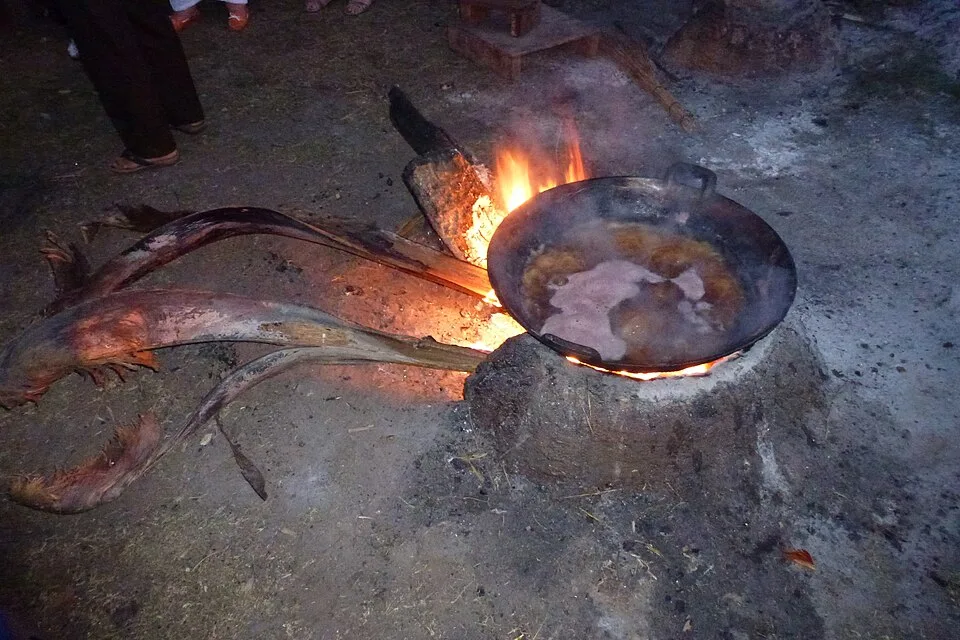
Menus may include rice, soups, grilled foods, vegetables and dishes prepared with fish from the region. Ask what a dish contains and how it is cooked instead of relying entirely on an English name. Sticky rice is an important part of Lao food culture, but the exact meal in front of you depends on the cook and the establishment. A useful conversation about ingredients is more rewarding than expecting every kitchen to reproduce a standardized version.
If you are unfamiliar with a dish, ordering a modest selection for the table can let you try more without wasting food. Ask about portion size and spice before the order is prepared. Do not assume that a request for less chili changes every spicy condiment already included in a dish. Be patient with a small kitchen, particularly when several tables order together, and avoid scheduling a meal so tightly that normal preparation time becomes a problem.
Explain dietary needs concretely
Vegetarian and vegan travelers should ask about broth, fish sauce, shrimp paste, egg and other ingredients that may not be obvious from a dish's name. A vegetable dish is not automatically free of animal ingredients. A short written explanation in a language the kitchen understands can help, but it still needs a clear response. If an ingredient matters to you, ask before ordering rather than assuming it can be removed from a finished dish.
For a food allergy, explain the ingredient and the seriousness of cross-contact directly. Do not treat a menu label or a translation application as a guarantee that a small kitchen can accommodate the requirement. Choose a place able to discuss preparation, and carry your own clinician-advised emergency arrangements. Travelers with strict needs should plan some suitable backup food for transfer days, when options may be limited or delayed.
Make sensible choices about water and preparation
Use drinking water from a source you have reason to trust, and ask about safe refill arrangements rather than assuming any tap is suitable. Check the condition of sealed packaging where relevant, and keep enough water available for walking or cycling. Heat and a long road transfer can make a meal stop feel urgent, but it is worth taking time to select a place where food handling and preparation look appropriate.
For specific health advice, consult current official travel-health guidance or a qualified clinician before traveling. This guide does not certify restaurants or establish that a particular local food is safe for every person. Choose food that suits your own needs and avoid treating adventurous eating as an obligation. Being selective can coexist with supporting local businesses and appreciating the cooking you are comfortable trying.
Respect the setting behind the view
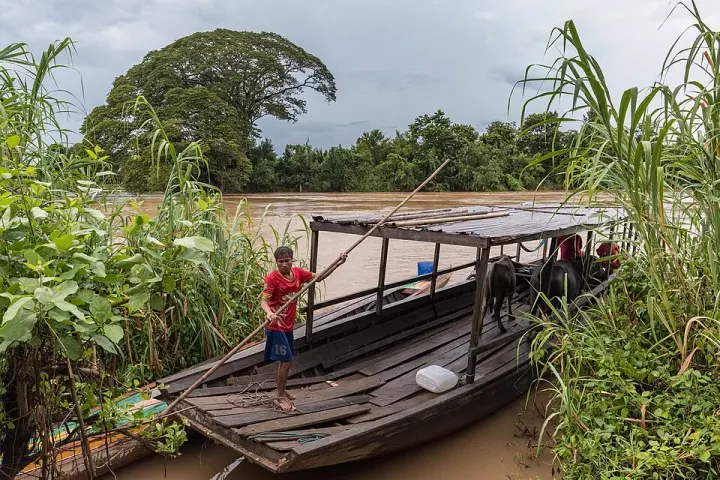
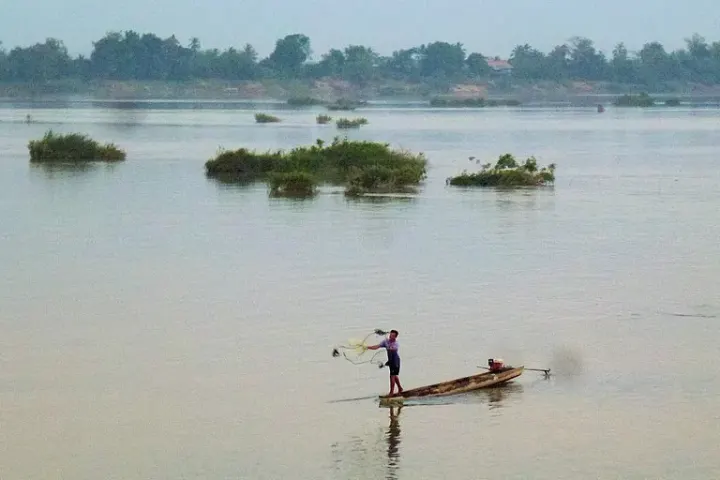
A riverfront table may overlook boats, household work and fishing activity. Ask before taking close portraits, and keep the camera from turning someone's working day into entertainment. Dispose of packaging responsibly and ask about refill options where reliable. Do not leave food waste at the river edge or feed animals to attract them for photographs. The view is a shared living environment, not an extension of the restaurant table.
Allow a meal to be the main activity occasionally. A long breakfast or late afternoon drink can give you time to notice changes in light and river traffic that a hurried itinerary misses. Choose a comfortable return route and avoid drinking before riding or a river activity. The responsible visiting guide connects these small daily choices with the wider conservation story of the islands.
Questions before you go
Will every island restaurant have vegetarian food?
No universal menu claim is reliable. Ask what is available that day and clarify broth, sauces, egg and other ingredients that matter to your diet.
Can I rely on online menu prices?
Treat old menus as historical information. Read the current menu, clarify portions and any added charges, and keep enough cash for your actual order.
Is breakfast included in a guesthouse booking?
That depends on the room rate and provider. A restaurant on the property does not automatically mean breakfast is included or served at the time you need.
Should I book a restaurant far from my hotel on arrival night?
Usually it is easier to eat nearby while you orient yourself. Confirm opening and return access before making a distant meal central to the first evening.
Sources & editorial notes
We use official tourism, conservation and heritage records, operator information and accommodation listings. Publisher notes summarize the evidence; the full bibliography retains individual sources. A source check is not a live operating-status check.
- Lao Tourism Marketing Department ↗
- UK Foreign, Commonwealth & Development Office ↗
- UN Tourism ↗
- Booking.com / property listing ↗