
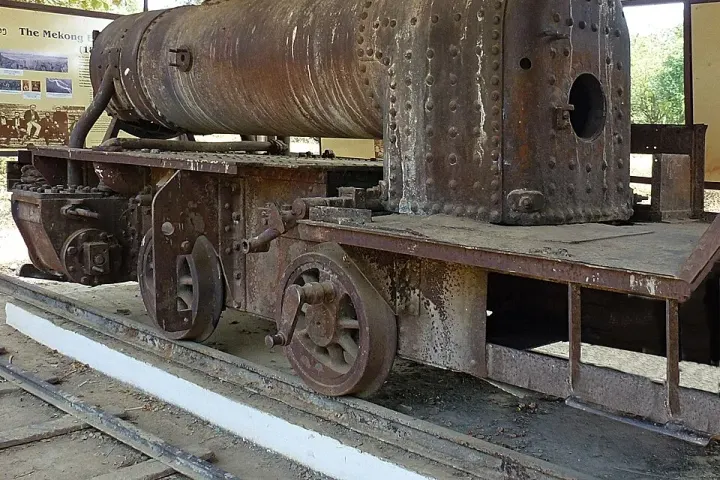
The old railway and French bridge: reading the islands' history
The former railway between Don Det and Don Khon is one of the most distinctive historical threads in Si Phan Don.
Read the guideDetailed guidance for island bases, transport, river activities, accommodation and onward journeys. Named sources support the facts; current access and booking conditions still need checking for your date.
The former railway between Don Det and Don Khon is one of the most distinctive historical threads in Si Phan Don.
Read the guide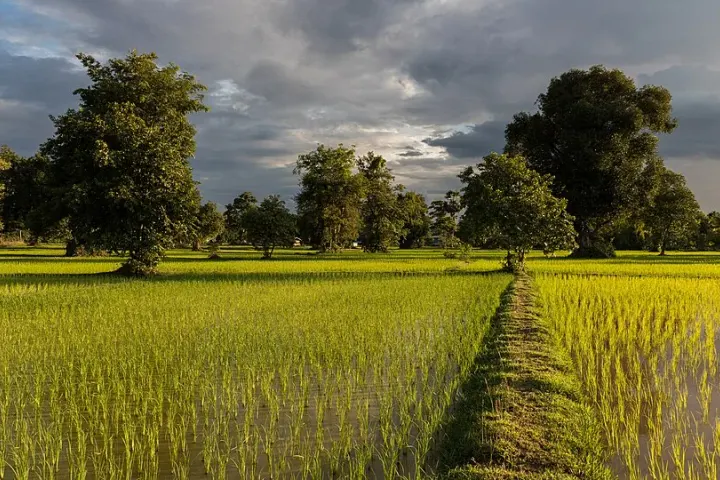
A bicycle can turn the connected islands of Don Det and Don Khon into a satisfying day of village lanes, railway history and waterfall viewpoints.
Read the guide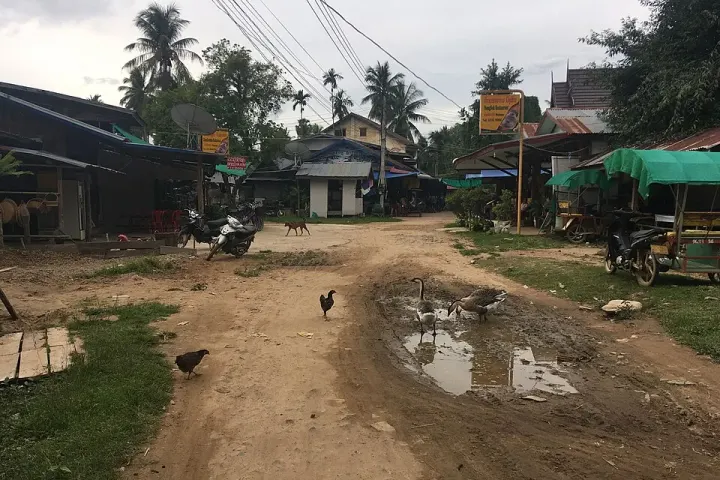
Walking is one of the best ways to notice the inhabited islands: gardens, small shops, boats pulled beside homes and the changing light on the river.
Read the guide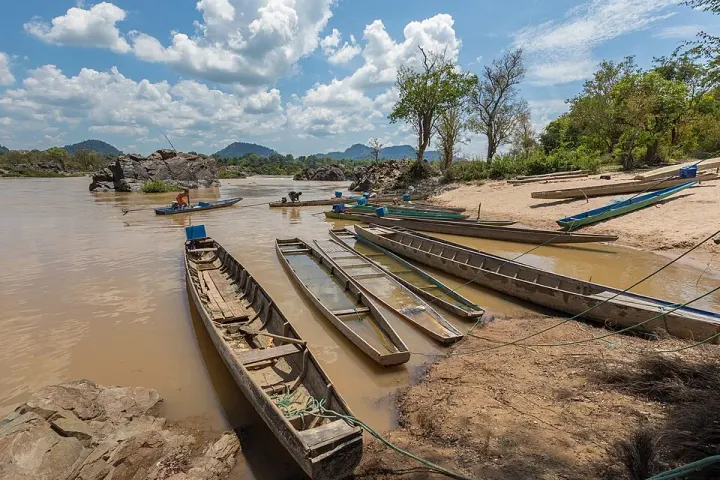
The Mekong gives Si Phan Don its shape, but the label boat trip covers very different purchases.
Read the guide
Meals are part of the pleasure of an island stay: a place to sit, watch the working river and spend time without another transfer.
Read the guide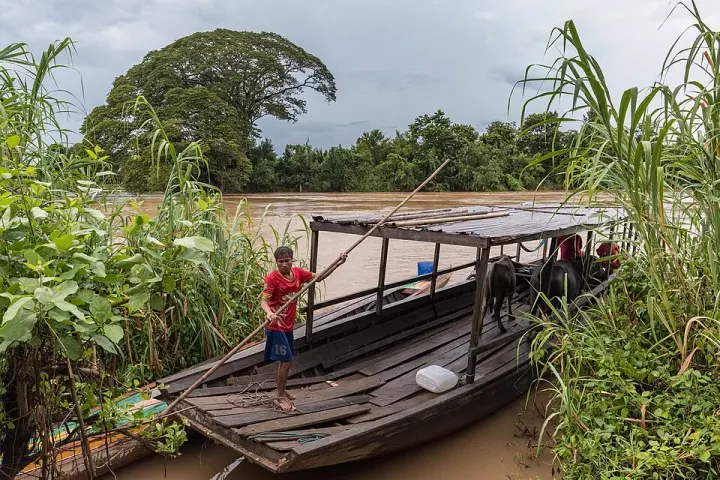
Don Det is a useful first base in the 4000 Islands because accommodation, food and activities cluster around a small island that connects to Don Khon by the old railway bridge.
Read the guide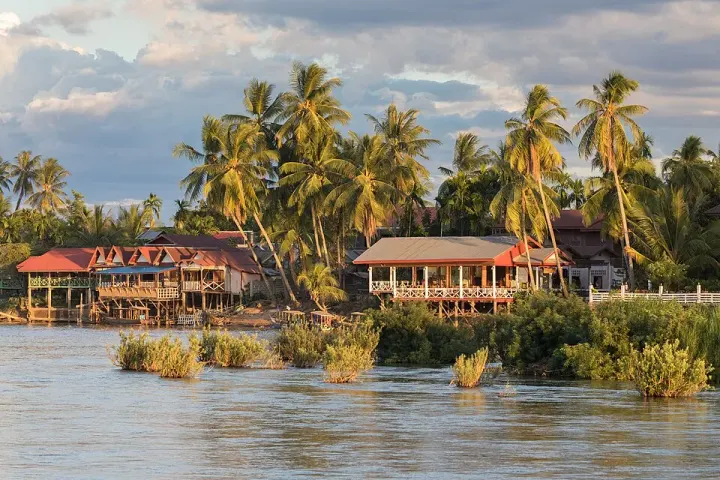
Don Khon brings several of Si Phan Don's most interesting experiences into one island circuit: the old railway bridge, village streets, locomotive remains and the approach to Tad Somphamit, commonly called Li Phi.
Read the guide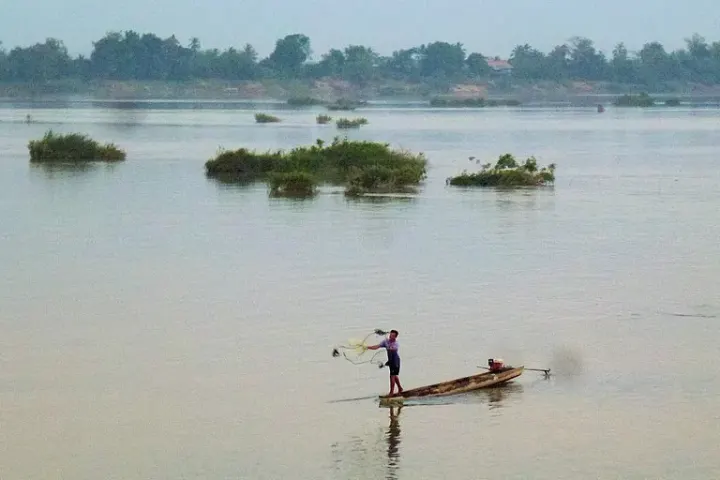
Don Khong is the larger, more northerly island that visitors often confuse with Don Khon.
Read the guide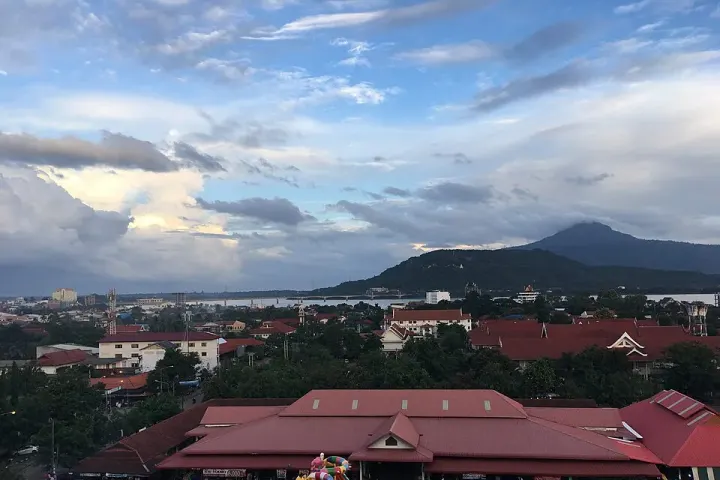
Pakse is more than a place to change vehicles.
Read the guide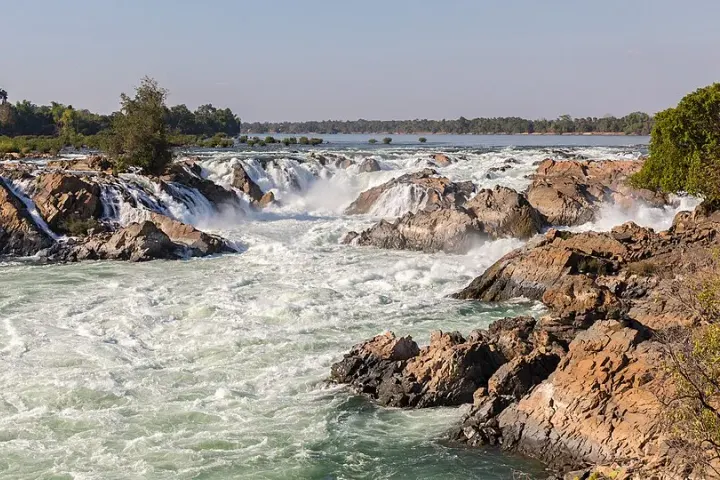
Khone Phapheng is the mainland waterfall visit in the southern 4000 Islands region.
Read the guide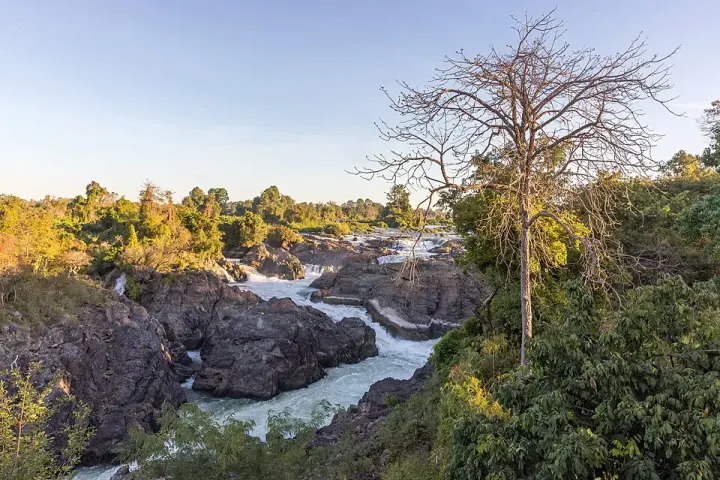
The waterfall commonly sold to visitors as Li Phi is usually identified as Tad Somphamit on the Don Khon sightseeing circuit.
Read the guide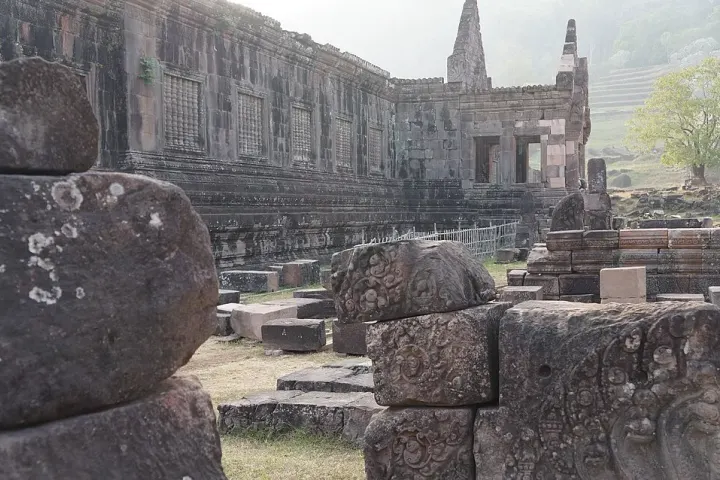
Wat Phou is one of southern Laos's major cultural destinations, but it belongs to the Champasak landscape rather than the Don Det and Don Khon island circuit.
Read the guide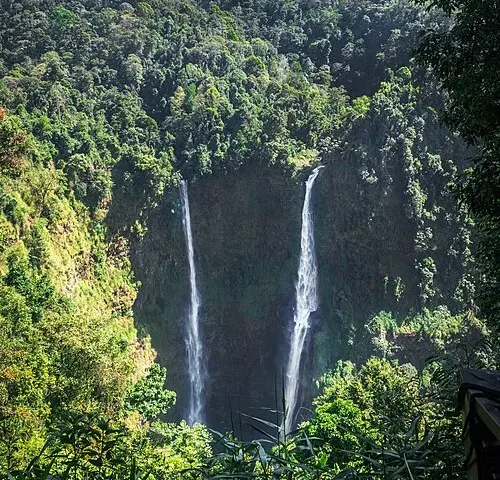
The Bolaven Plateau offers a different southern Laos landscape from Si Phan Don, with waterfalls and coffee-growing country reached by road from the Pakse region.
Read the guide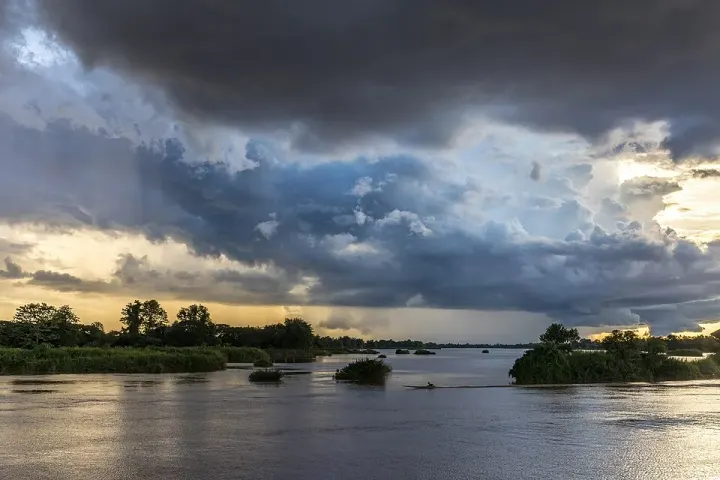
Si Phan Don is southern Laos at the pace of a riverbank: islands, village paths, fishing boats, rice fields and extraordinary stretches of white water.
Read the guide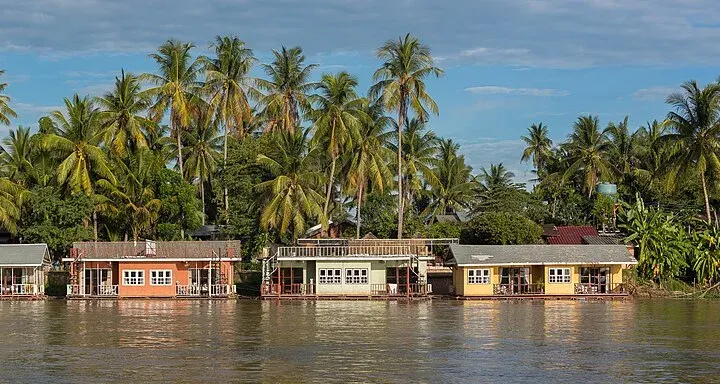
Choose your base before choosing your room.
Read the guide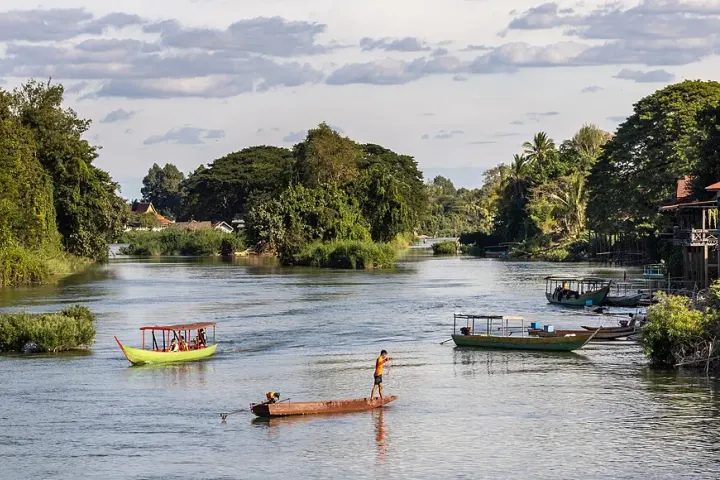
The journey to Si Phan Don is easiest to understand in stages: reach the southern-Laos gateway, travel to the correct mainland connection, then complete the island arrival your accommodation actually needs.
Read the guide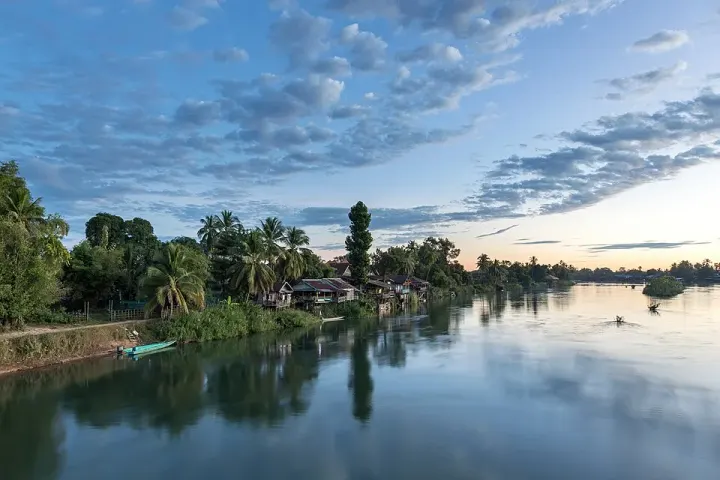
Nakasang is the mainland handover many visitors use for Don Det and Don Khon.
Read the guide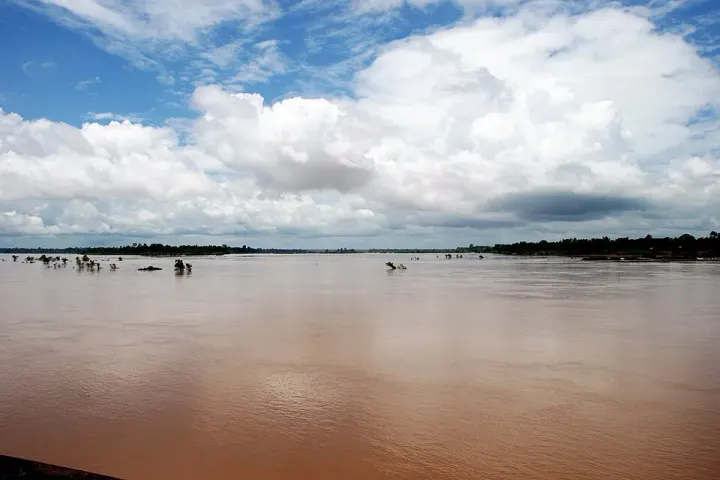
A border journey from Si Phan Don has several independent parts: leaving the island, reaching the official land checkpoint, completing both countries' formalities and meeting the onward vehicle.
Read the guide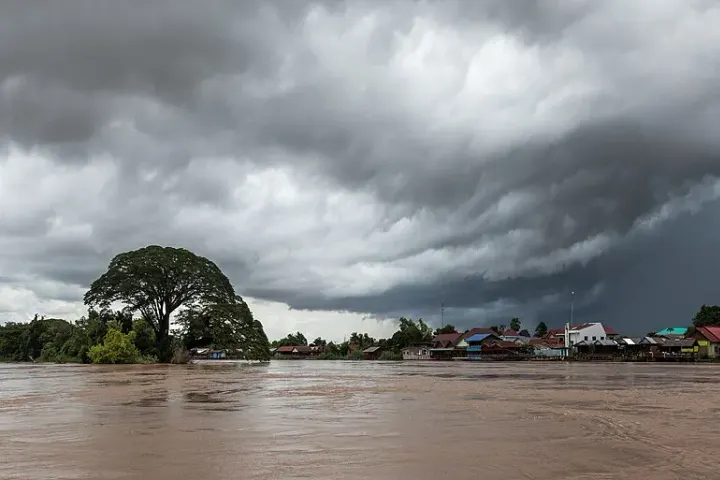
Choose a season for the kind of stay you want, then plan around the conditions on your actual dates.
Read the guide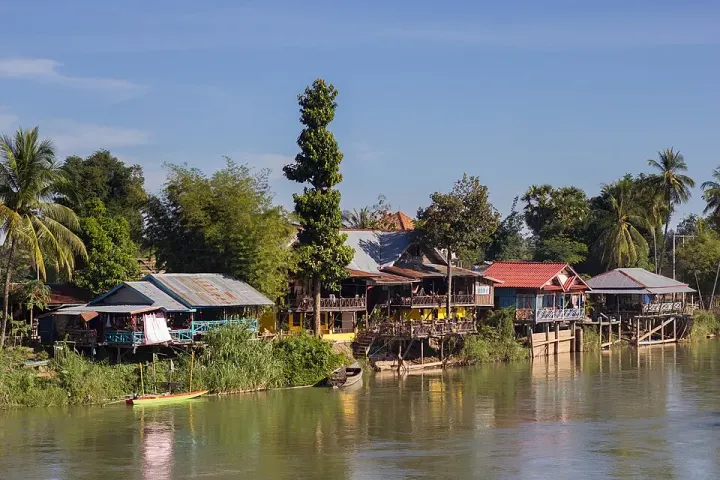
Three calendar days can give you an introduction to Don Det and Don Khon if you treat arrival and departure as real parts of the trip.
Read the guide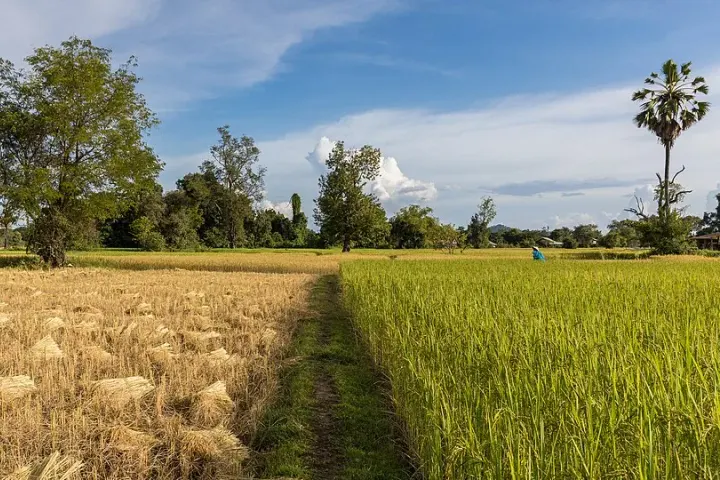
Five days allow you to combine the 4000 Islands with a regional highlight while protecting arrival and departure time.
Read the guide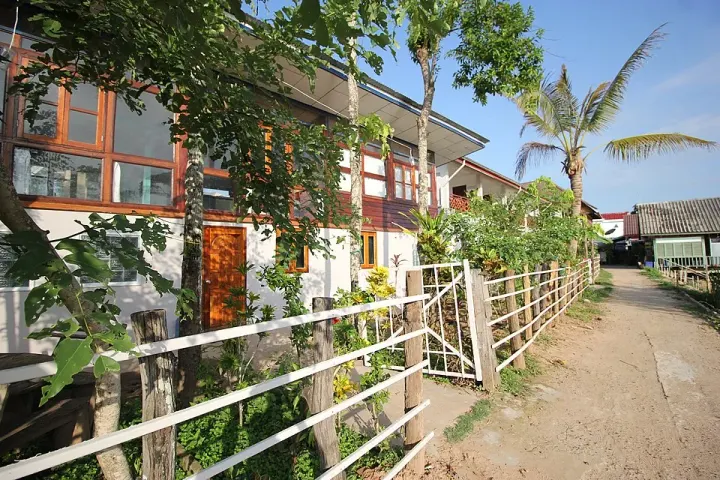
An island stay can be rewarding for a family or a traveler who prefers a gentle pace, provided the practical details match the people traveling.
Read the guide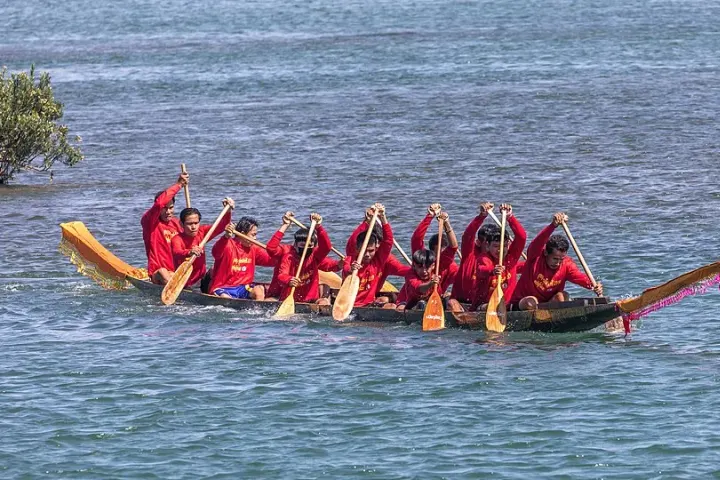
Si Phan Don is a lived-in river landscape with a serious conservation history.
Read the guide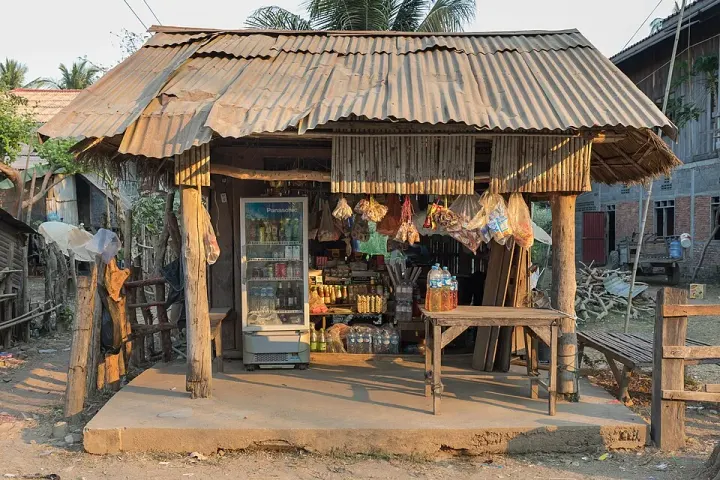
A useful island budget includes the road journey, the boat handover, the exact room, meals, activities and enough reserve for a changed connection.
Read the guide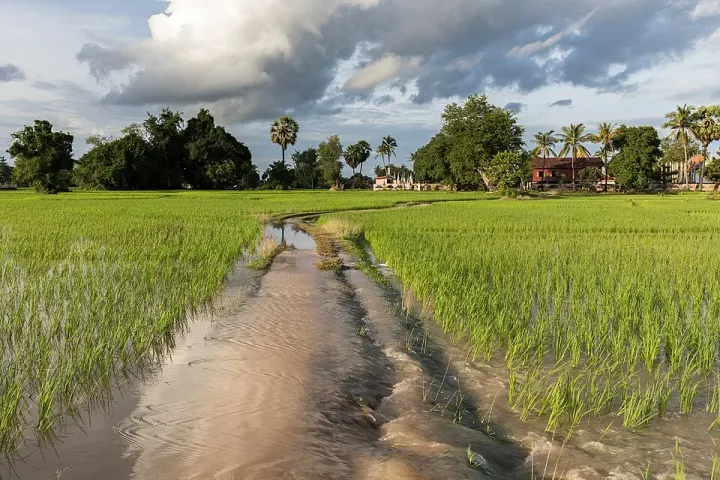
Plan around the actual river, road and access conditions, not a destination's relaxed reputation.
Read the guide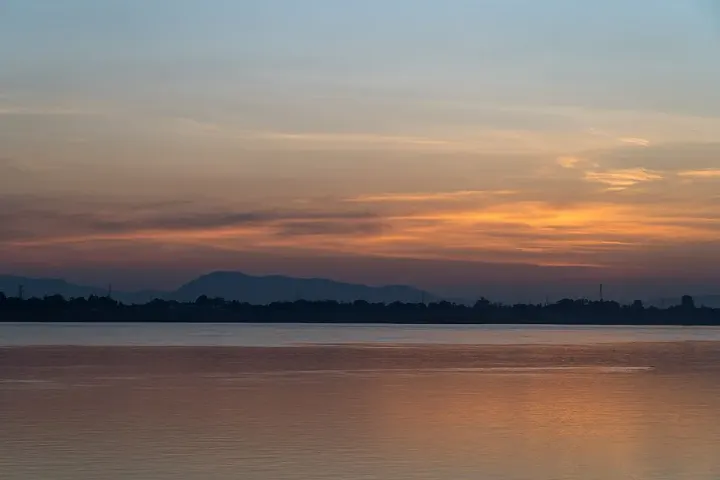
The journey out of Si Phan Don begins before the day you leave.
Read the guide