Sources checked 3 November 2026 · Confirm your date with the provider
Some links are affiliate links. We may earn a commission on qualifying bookings at no extra cost to you. This does not determine your price or guarantee availability.
Understand the names without losing the destination
Li Phi and Somphamit appear together in maps, tours and accommodation advice. The Lao tourism authority uses Tad Somphamit and explains that Li Phi has also been used more broadly for the region's rapids. For a visitor, the practical step is to confirm the exact waterfall entrance on the Don Khon circuit. Do not substitute Khone Phapheng, a separate mainland attraction, simply because both appear in a “4000 Islands waterfalls” search.
Ask your host to identify the route you should use today and save the location offline. If joining a tour, read which waterfall is named in the itinerary, not only the cover photograph. This avoids a common misunderstanding: thinking that all waterfall visits in the region share one entrance or can be reached from the same road. The mainland waterfall guide provides the comparison if you have time for only one outing.
Build the approach into the day
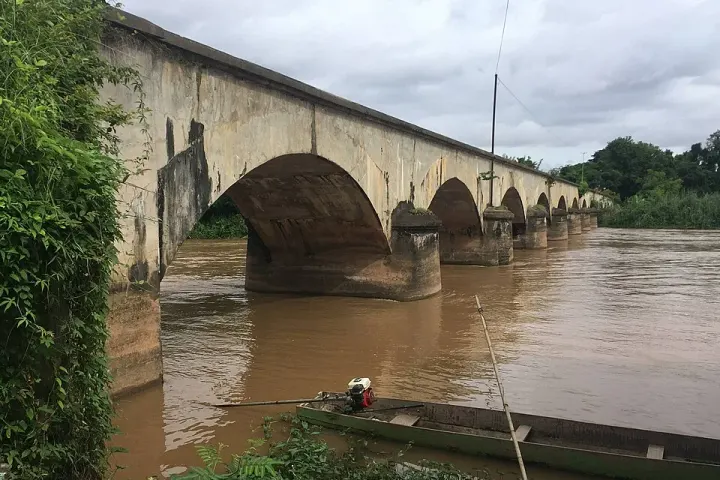
From a Don Khon base, the waterfall can fit into a local walking, cycling or arranged-transport day. From Don Det, add the route to and across the former railway bridge and the return to your own accommodation. A short-looking distance can feel more substantial in heat, with stops and uneven surfaces. Plan according to the least comfortable member of your group rather than the fastest person or a map's ideal walking estimate.
Avoid making the waterfall the last stop before an inflexible departure. Give yourself time to turn back, rest or change the route if conditions are unpleasant. Ask about the current entrance and any fees before arriving with only the money expected from an old blog post. The walking guide and the cycling guide explain how to choose a manageable outing without insisting on a complete island loop.
Enjoy the viewpoints without chasing the edge
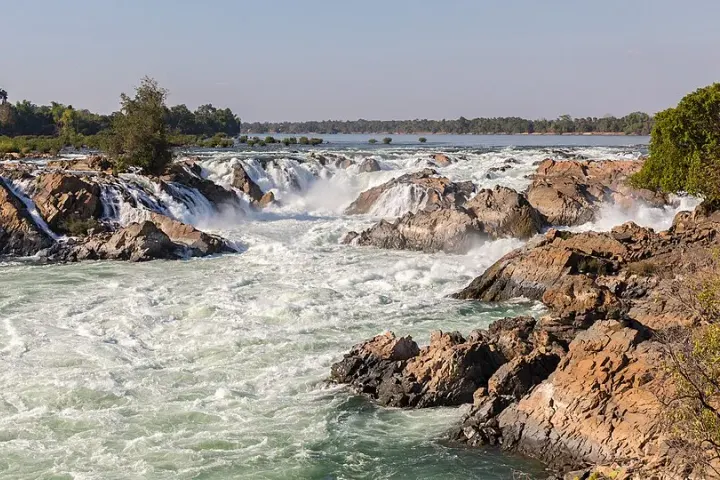
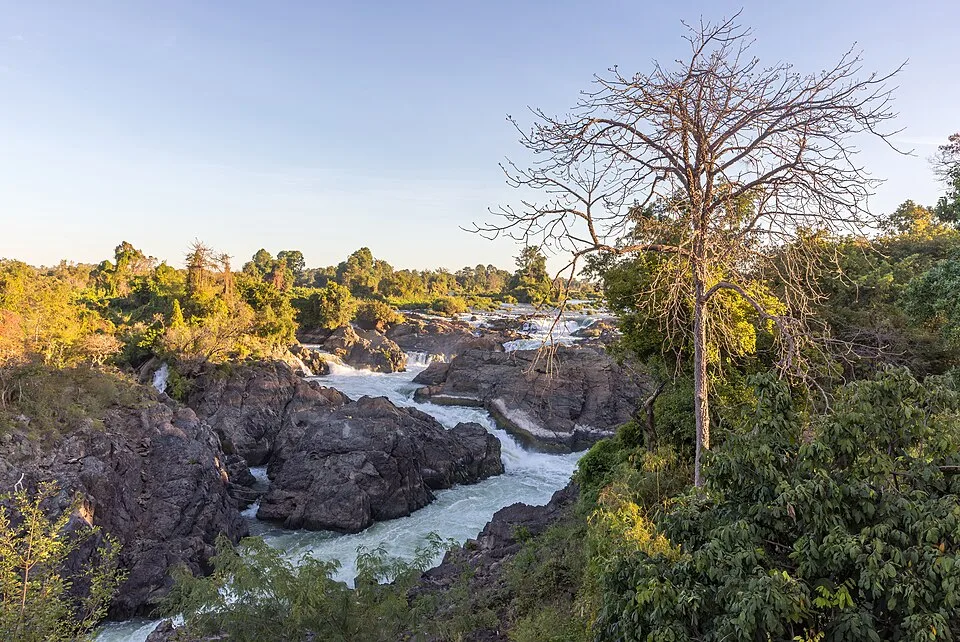
The attraction is the Mekong's force as it moves through channels and rock. Stop where the viewing arrangement clearly allows it and take time to watch different parts of the water. A photograph that includes the surrounding landscape often conveys more than one taken by leaning close to a drop. Follow barriers and warnings, and leave room for other visitors to move on a narrow path.
Wet rock, loose surfaces, spray and distraction can combine badly. Keep a secure footing and avoid walking while watching a phone screen. Children need close supervision near edges, even if the path initially feels easy. This guide does not certify individual viewpoints or informal trails. When a route looks damaged, closed or unclear, ask staff or return by the established way rather than treating an online photograph as evidence that it should still be usable.
Separate the zipline from a normal visit
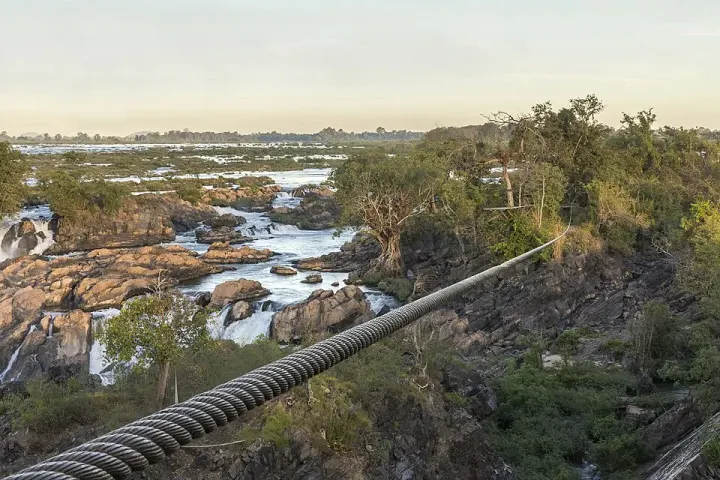
A verified GetYourGuide product combines kayaking from Don Det with walking to Li Phi and a zipline activity involving suspension bridges. That is a distinct adventure itinerary, not the default requirement for seeing the waterfall. Confirm the selected option, eligibility, harness and helmet arrangements, weather policy and what happens if you choose not to participate. Ask whether a non-participating companion can wait somewhere appropriate and how the group rejoins afterward.
Do not let the presence of a zipline in an attraction photograph create an expectation that it will be operating or included in your entrance payment. Equipment and route decisions belong to the provider, and you need the current terms before booking. If heights, balance or mobility are concerns, explain them specifically. A viewpoint-only visit may suit you better, while a keen participant may prefer a dedicated activity day with less additional sightseeing.
Combine heritage and the waterfall sensibly
The former railway area gives useful context to a waterfall visit because the river barrier helped shape the old transport route. A day linking the bridge, locomotive remains and Somphamit can therefore feel coherent rather than like unrelated stops. Leave time for a meal and the ride or walk home. You do not need to add every village, beach and secondary waterfall simply because they appear on a map.
A guided bike-and-boat product lists Li Phi alongside Khone Pasoy and railway stops. Check the cycling ability required, exact pickup and costs of admissions or meals. Its platform title includes Pakse, but the itinerary lists Don Det and Don Khon collection. If staying in Pakse, do not book it assuming the long mainland transfer is covered. The railway guide and the tour's live pickup details resolve different parts of that decision.
Treat nearby river access cautiously
A sandy bank or a calm-looking pool near a waterfall is not a swimming clearance. Some operator descriptions include swimming and rock jumping, but this guide does not repeat those claims as general advice. The Mekong carries hazards from currents and submerged obstacles, and conditions change. Enjoy a pause beside the water from an appropriate public place without assuming that entering it is part of the visit.
When river conditions or weather change, confirm the whole route rather than asking only whether “Li Phi is open.” The entrance, walking paths, kayak approach and zipline can have different operating decisions. Keep a simpler alternative available, such as a village walk or time at your accommodation. River awareness provides the broader context, while the seasonal guide helps you plan with realistic expectations about heat and rain.
The name, the legend and practical figures
Lao tourism information explains that “li” refers to a fish trap and “phi” to a spirit or ghost, and that the name Li Phi has been used for the whole stretch of falls and rapids across Si Phan Don, around 20 km from east to west. The same source links the Somphamit name to a legend of a sacred Buddha image lost to the water in the time of King Fa Ngum.
Wikivoyage places the falls about 2 km south of the old railway bridge and, in February 2024, reported an entrance fee of 30,000 kip and the bridge crossing itself as free. Older accounts describe a combined bridge-and-falls ticket, so carry kip, pay only at an official counter and check the current arrangement locally.
Questions before you go
Are Li Phi and Tad Somphamit the same visitor stop?
They are commonly used together for the waterfall visit on the Don Khon circuit. Confirm the exact entrance on a map because Li Phi has also been used more broadly for regional rapids.
Do I need to take a zipline to see the falls?
No such requirement is assumed here. A normal viewpoint visit and an optional adventure product are different arrangements; confirm current access with the site or provider.
Is the walk easy for everyone?
No route should be assumed universally easy. Ask about current surfaces, steps, shade and the distance from your drop-off, especially if balance or stamina is a concern.
Can I swim after visiting the waterfall?
This guide does not recommend a swimming spot. River appearance and promotional copy do not establish safety; currents and hidden obstacles can be dangerous.
How much is the Li Phi entrance fee?
Wikivoyage reported 30,000 kip in February 2024. Fees change, so carry kip and confirm the current charge at the official entrance.
Sources & editorial notes
We use official tourism, conservation and heritage records, operator information and accommodation listings. Publisher notes summarize the evidence; the full bibliography retains individual sources. A source check is not a live operating-status check.
- Lao Tourism Marketing Department ↗
- UK Foreign, Commonwealth & Development Office ↗
- Lao News Agency KPL ↗
- GetYourGuide / Laos Easy Go Travel ↗
- GetYourGuide / MyProGuide Laos ↗
- Booking.com / property listing ↗
- Wikivoyage ↗